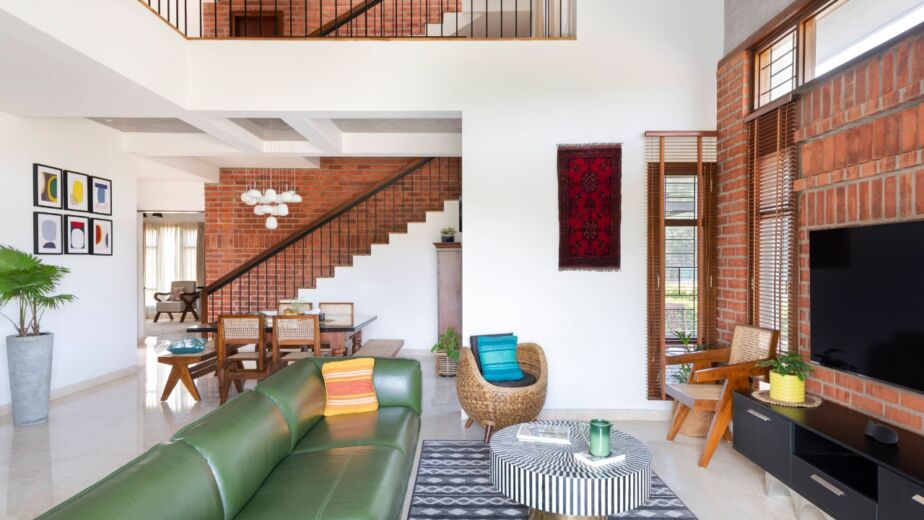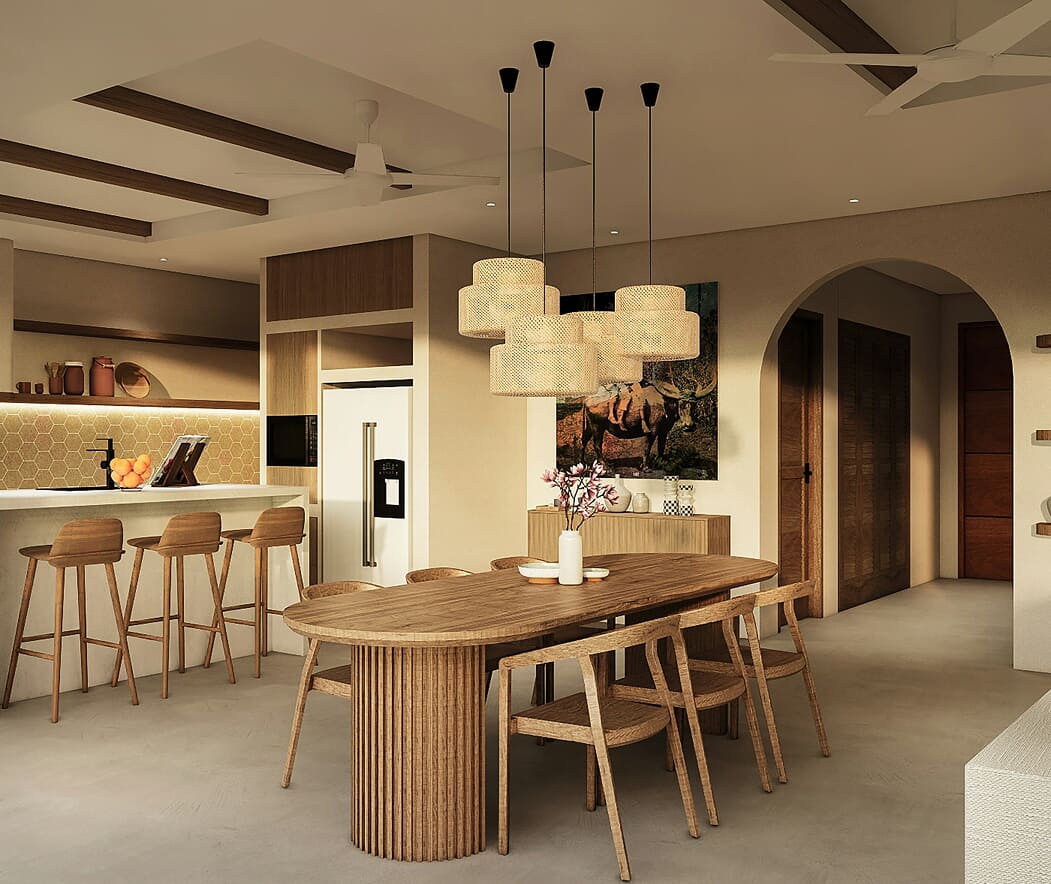
Your foyer is more than just a transitional space; it is your home’s “opening line”. It sets the tone for your entire residence, creating a mood that carries through every room. A well-chosen chandelier acts as the anchor for this moment, harmonizing with your architecture, scaling to your ceiling height, and reflecting your personal style.
Choosing the right fixture involves a balance of aesthetics, functionality, and architectural harmony.
This guide provides a foolproof way to transform your entryway into a place that feels considered and welcoming, drawing on expert advice from the sources.
1. Determining the Perfect Size
One of the most common mistakes is selecting a fixture that is either too small and gets lost in the space or too large and overwhelms it. Professionals use simple formulas to ensure the chandelier is proportionate to the room’s dimensions.
Calculating Diameter
To determine the ideal diameter (width) of your chandelier:
Measure the length and width of your foyer in feet. Add those two numbers together.The resulting sum, converted to inches, is the ideal diameter for your fixture.
For example, if your foyer is 10 feet by 10 feet, adding those numbers gives you 20. Therefore, you should choose a chandelier with approximately a 20-inch diameter. For extra-high or two-story foyers, you can increase this diameter by 2 or 3 inches, as fixtures tend to look smaller the higher they are hung.
Calculating Height
The vertical scale is equally important. The general rule of thumb is to allow 2.5 to 3 inches of chandelier height for every foot of ceiling height.9-foot ceiling: Requires a fixture between 18 and 27 inches in height.
10-foot ceiling: Calls for a 20 to 30-inch height.16-foot (two-story) ceiling: Can comfortably handle a large chandelier between 32 and 48 inches tall.
2. Selecting a Style That Complements Your Home
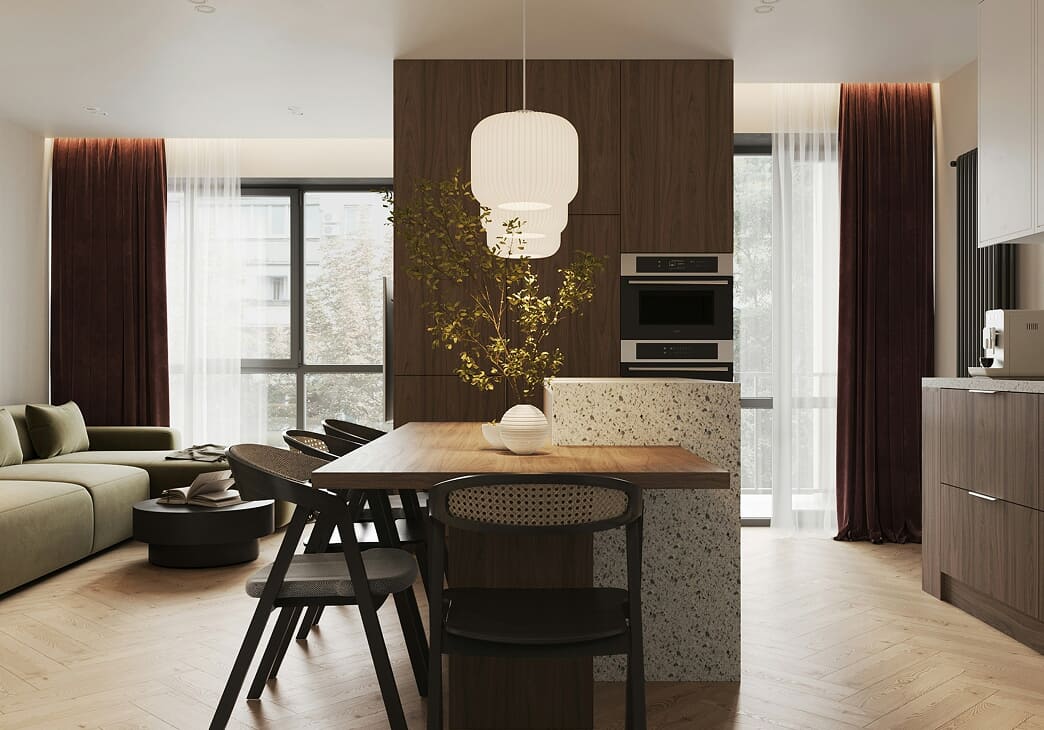
Your foyer chandelier should preview the rest of your home’s decor. Whether you prefer minimalist lines or opulent crystals, the style should harmonize with your existing aesthetic.
Modern and Contemporary: For homes with sleek interiors, neutral walls, or metal railings, consider fixtures with clean geometric shapes or “pared-back rings” that feel like art installations. Options like the Cora Contemporary Foyer Chandelier or LED circular rings offer a minimalist yet impactful look.
Traditional and Crystal: For a touch of classic luxury, traditional crystal chandeliers remain a timeless choice. A Luxury Crystal Grand Staircase Chandelier can add a dramatic sparkle that is visible from both the threshold and the upper landing. If you have wood consoles and mirrors, a French Gold Chandelier provides a classic profile with modern light quality.
Rustic and Transitional: If your home has a farmhouse or country aesthetic, look for materials like wrought iron or wood. A 48-inch 2-Tier Wagon Wheel Chandelier is particularly effective for large two-story foyers with a more relaxed, eclectic feel.
Bold Accents: For a “designer snap,” chandeliers with black and gold finishes can provide graphic clarity and a modern edge.
Mastering the Drop:
Proper Hanging Height, Proper placement is critical for both safety and visual appeal. You must ensure there is enough “headroom” while also making sure the light connects visually to the space.
Standard 8-foot ceilings: The bottom of the chandelier should be no lower than 7 feet from the floor.
9 to 12-foot ceilings: Elevate the fixture so the bottom is at least 7 feet 6 inches above the floor.Two-story foyers: The bottom of the chandelier should generally be level with the second story. This usually means hanging it 8 to 10 feet (or higher) above the ground.
Window Alignment: If your foyer has a large window above the door, aim to position a key tier of the chandelier in the vertical center of the window. This ensures the light looks intentional and welcoming from the street.
3. Illumination and Ambiance
A chandelier is a “mood instrument,” not just a source of brightness. You need to consider the level of illumination (wattage) and the quality of light (color temperature).
The Wattage Formula:
To find the required wattage for your foyer, use this simple calculation:Multiply the length by the width of the room to get the square footage.Multiply that total by 1.5.
For a 100-square-foot foyer, you would need approximately 150 watts of total illumination across all bulbs in the fixture.
Bulb Types and Dimmers:
The choice of bulb soft white versus daylight—depends on your needs.
Soft white offers a warmer, more inviting glow, while daylight is better if you use the foyer for tasks like reading mail. Installing a dimmer is highly recommended. It allows the foyer to transition from a bright, functional welcome to a soft, atmospheric “after-dinner glow.
4. Layering with Support Lighting
A chandelier looks its best when the surrounding surfaces also glow. To create depth, avoid relying on a single light source.
Wall Sconces: Pairing your chandelier with complementary wall sconces (like the Hilda Crystal or Antique Brass options) can provide a “warm halo” that flatters artwork and mirrors.
Table Lamps: If your foyer includes a console table, a lamp can provide additional accent lighting.
Independent Controls: Place these secondary lights on a separate switch so you can tune the depth of the room independently from the main chandelier.
5. Installation and Maintenance
Because foyer chandeliers are often heavy and hung at great heights, installation and maintenance require special care.
- Professional Installation: For tall entries and atriums, it is best to use a qualified installer. They can perform load checks and ensure the canopy is secured to the structural slab rather than just the false-ceiling members.
- Cleaning: If the chandelier is within reach, dust it regularly and use a microfiber cloth with a gentle cleaner. However, for fixtures hung very high, professional cleaners are recommended to ensure the task is done safely.
- Special Ceilings: If you have sloped or vaulted ceilings, ensure your chandelier choice is compatible with special mounting options or adjustable chains. For very low ceilings, flush mount or semi-flush mount fixtures are ideal for creating the illusion of height.
Conclusion
Choosing the right foyer chandelier involves weighing size, style, and placement. By following these rules for dimensions and hanging height, and by layering your light with sconces and dimmers, you can ensure your foyer is never “just a corridor” again. Take your time to select a piece that makes you feel good every time you come home.